How is Neurotherapy Different from Physiotherapy?
While both offer non-invasive approaches to wellness, their mechanisms, operational depth, and scopes are completely distinct. Discover how Neurotherapy works from the inside out to stimulate internal organs and hormones without machines or medicines.
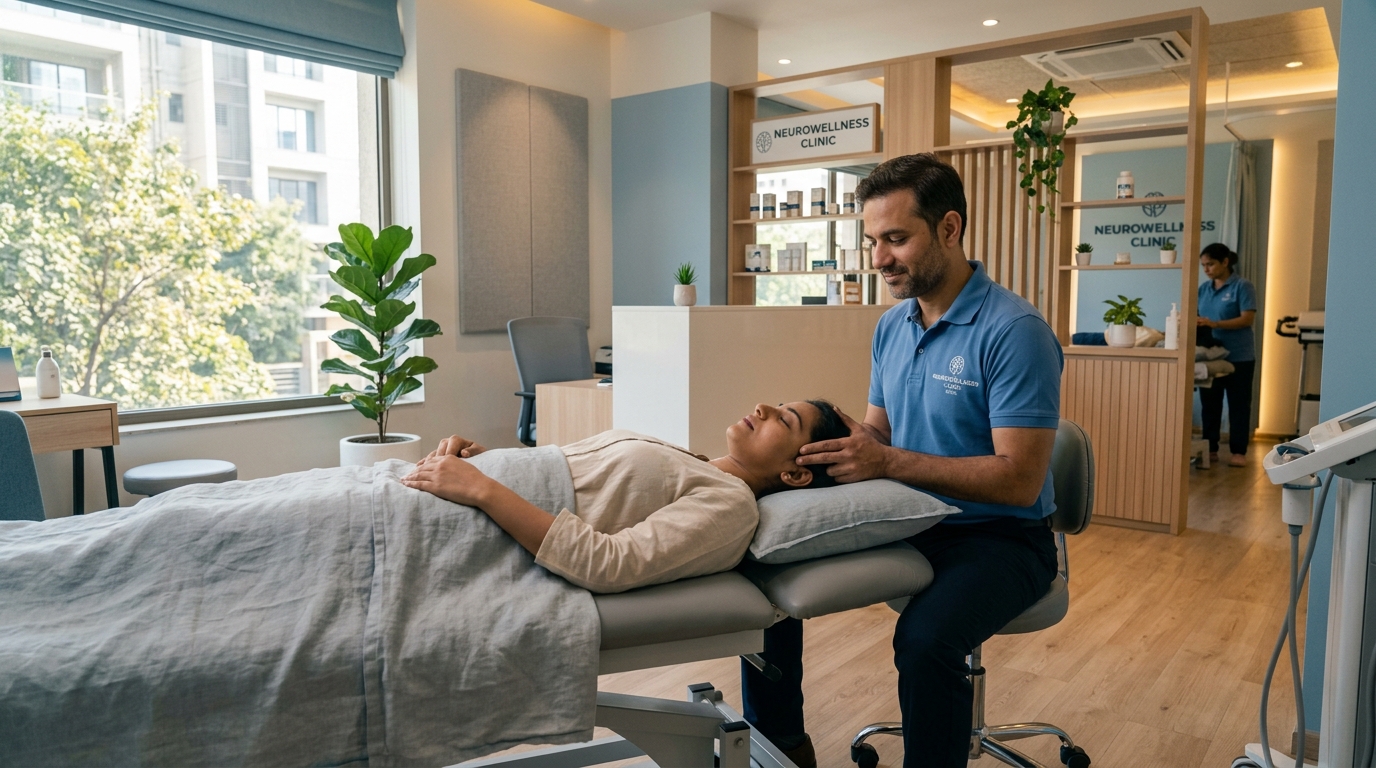
Two Distinct Pathways to Natural Healing
Understanding the foundational divergence between external musculoskeletal rehabilitation and internal glandular reactivation.
Biomechanical Rehab vs. Internal Glandular Science
Both Neurotherapy and Physiotherapy share a noble commitment to drug-free healthcare and physical recovery. However, their underlying medical frameworks differ fundamentally:
Physiotherapy is primarily a science of physical movement and musculoskeletal rehabilitation. It utilizes exercises, stretches, and mechanical modalities (TENS, Ultrasound, Traction) to rehabilitate muscles, joint mobility, and post-surgical trauma from the outside.
In contrast, Neurotherapy is an internal physiological science. It recognizes that chronic pain and joint degeneration stem from internal organ sluggishness, hormonal deficiencies, and altered blood pH. By applying calculated 6-second manual pressure on nerve corridors, it awakens organs like the Liver, Pancreas, and Adrenals to heal the body from within.
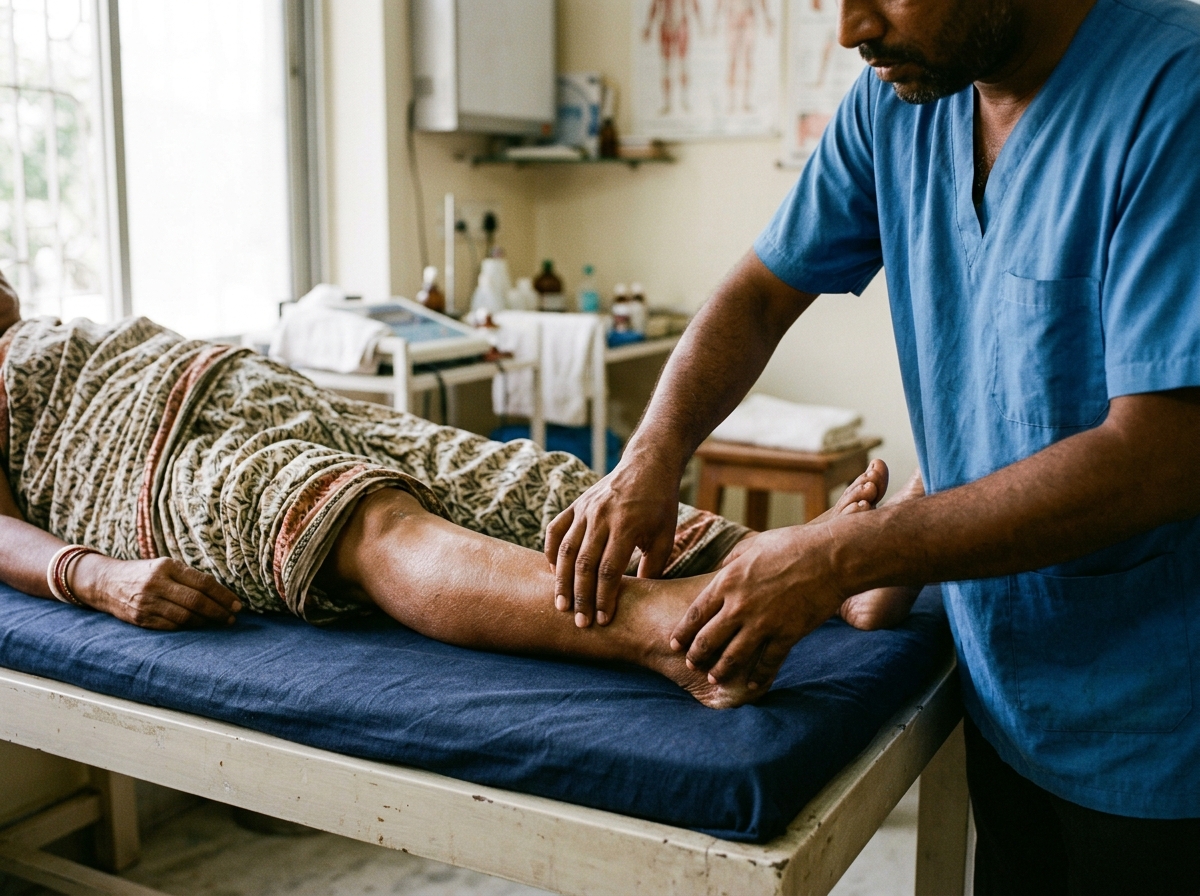
Physiotherapy: Musculoskeletal & Mobility Focus
Excellent for post-fracture joint mobilization, sports injury recovery, and muscle strengthening. Relies heavily on patient exertion, gym equipment, and electrotherapy machines to relieve localized symptoms.
Neurotherapy: Glandular & Systemic Root Healing
Stimulates internal master glands to release natural anti-inflammatory cortisone, endorphins, and insulin. Completely machine-free and requires zero physical exertion from the patient, making it ideal for chronic and frail conditions.
The Core Distinction at a Glance
Physiotherapy treats the affected joint or muscle where the pain is felt. Neurotherapy identifies and cures the underlying internal glandular and metabolic root cause that created the inflammation in the first place.
Comprehensive Side-by-Side Comparison Matrix
A clear, objective evaluation across 8 critical medical and treatment parameters.
| Evaluation Parameter | Neurotherapy (Nadi Mardan Kriya) | Physiotherapy (Physical Therapy) |
|---|---|---|
| Primary Focus | Internal Organ & Glandular Activation: Stimulates organs to balance biochemistry, hormones, and blood circulation. | Musculoskeletal & Movement Rehab: Focuses on muscle strength, joint range of motion, and physical mobility. |
| Treatment Modality | Calculated Manual Pressure Points: Applied on specific nerve zones of limbs and torso for precise 6-second intervals. | Exercise, Stretching & Mechanical Therapy: Active/passive exercises, gym equipment, and joint manipulation. |
| Use of Machines / Tools | 100% Machine-Free: Requires zero electrical devices, needles, or synthetic equipment. Only skilled human touch. | Extensive Machine Reliance: Frequently utilizes TENS, Ultrasound, Traction, Laser, and resistance bands. |
| Medication Integration | Completely Drug-Free: Strictly avoids synthetic drugs, painkillers, and chemical injections. | May Supplement with Drugs: Often accompanied by prescribed anti-inflammatory pills or muscle relaxants. |
| Scope of Conditions | Systemic & Metabolic: Treats chronic spinal pain PLUS diabetes, digestive disorders, insomnia, hormonal imbalance, and asthma. | Primarily Musculoskeletal: Highly effective for post-surgery recovery, sports injuries, and fracture rehab. |
| Pain Relief Mechanism | Stimulates the adrenal glands to secrete natural cortisone and floods fresh oxygenated blood to the root problem. | Blocks pain nerve signals temporarily via electrical stimulation (TENS) and relaxes tense fibers. |
| Patient Effort Required | Relaxed & Receptive: Patient lies comfortably while the therapist performs targeted pressure activations. | Active Participation: Patient must actively execute repetitive exercises, weight training, and stretches. |
| Side Effects & Risk | Zero Risk & Zero Side Effects: Gentle, natural, and suitable for all age groups from toddlers to seniors. | Temporary muscle soreness from exercises; precautions needed for pacemaker users with electrotherapy. |
Why Neurotherapy is Often Preferred for Chronic Conditions
Key clinical advantages that make Neurotherapy the superior choice for long-term health recovery.
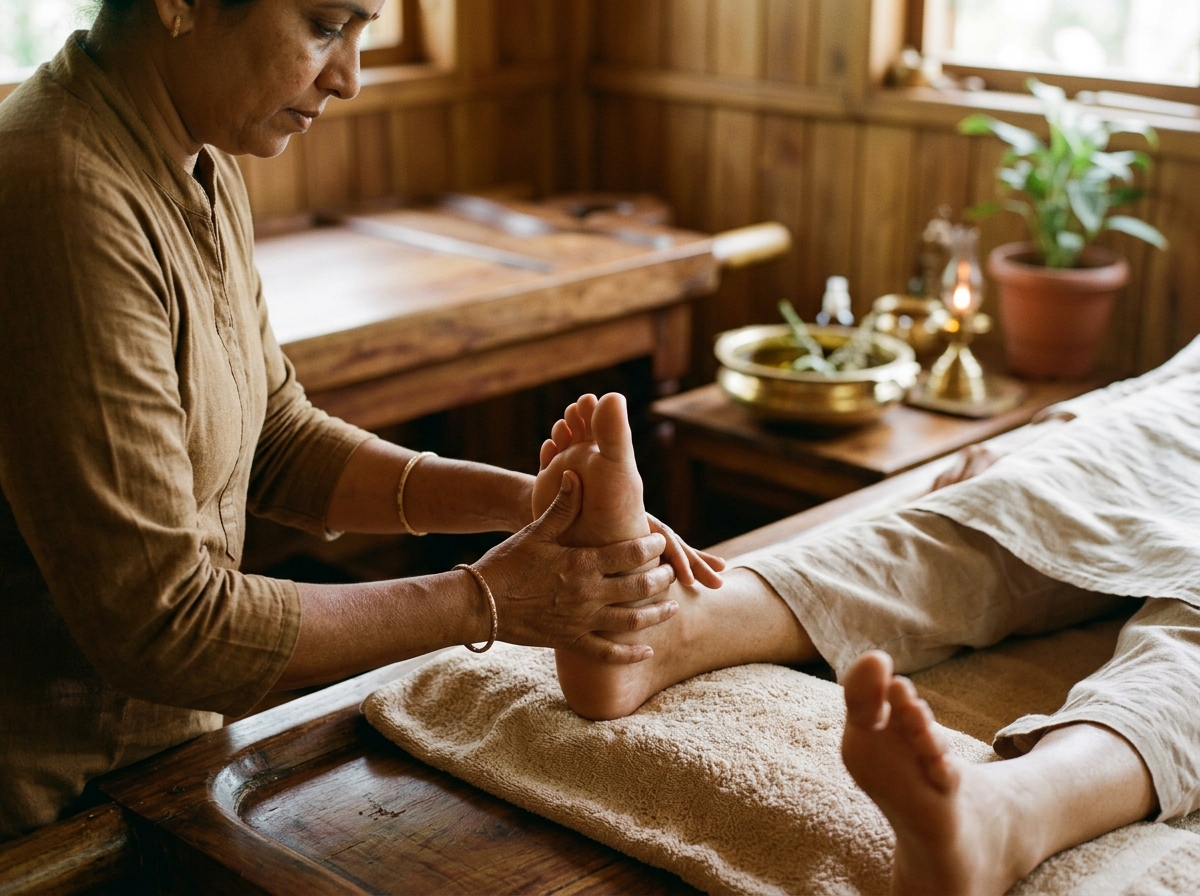 Root-Cause Focus
Root-Cause Correction
Corrects chronic inflammation and calcium-phosphorus metabolism at the cellular source, preventing recurrent spinal and joint pain.
 Elderly Friendly
Safe for Frail & Seniors
Requires no strenuous workouts or painful joint loading. Perfectly safe for elderly citizens with osteoporosis, hypertension, or heart issues.
 100% Machine-Free
Zero Dependency
Relies purely on calibrated human reflex points. Eliminates recurring hospital bills, electrical device reliance, and NSAID gastric irritation.
 Multi-System
Holistic Vitality
A single session for back or knee pain simultaneously aids digestion, stabilizes blood pressure, and improves sleep by harmonizing master glands.
When to Choose Physiotherapy
Choose Physiotherapy when you require immediate post-fracture joint mobilization, post-operative gait retraining, athletic performance conditioning, or assistive mobility rehabilitation after traumatic accidents.
When to Choose Neurotherapy
Choose Neurotherapy when you seek a 100% natural, drugless solution for chronic pain, spinal disc issues, arthritis, diabetes, chronic fatigue, digestive ailments, insomnia, or when conventional medical approaches have failed.