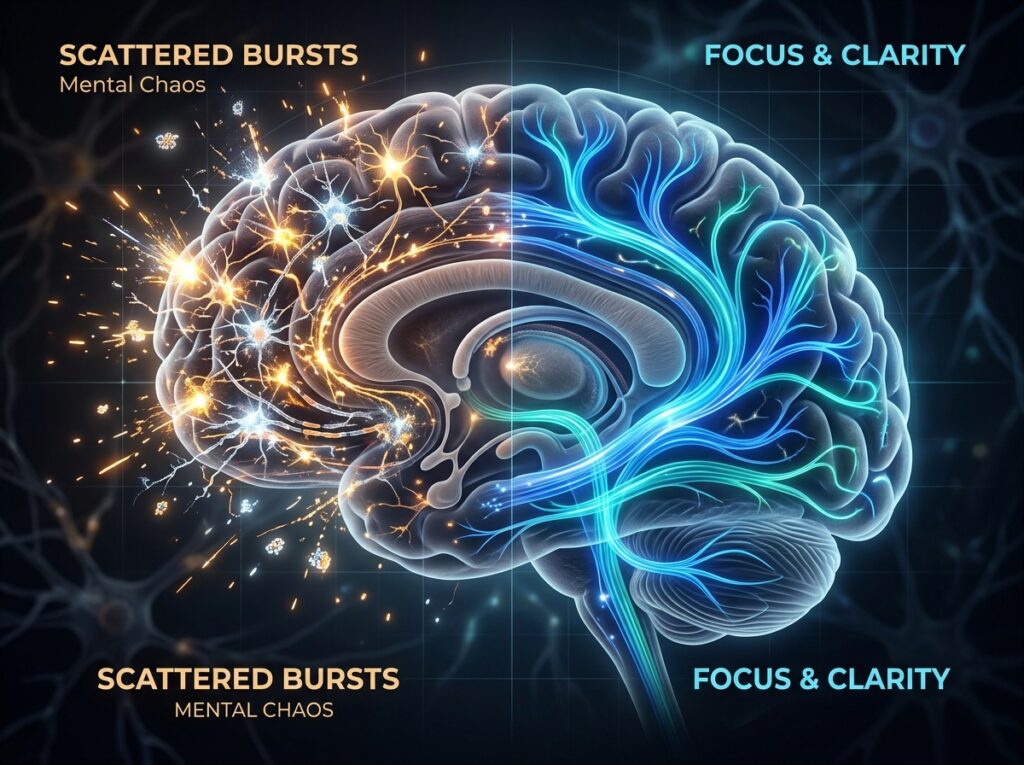
What is Attention Deficit Hyperactivity Disorder (ADHD)?
Attention Deficit Hyperactivity Disorder (ADHD) is a complex neurodevelopmental condition characterized by persistent patterns of inattention, hyperactivity, and impulsive behavior that interfere with daily learning, academic performance, and social relationships. Far from being merely a behavioral issue or lack of discipline, ADHD is rooted in neurobiological differences in brain connectivity, specifically suboptimal dopamine and norepinephrine neurotransmitter signaling within the prefrontal cortex—the command center for executive functioning and self-control.
Children and adults suffering from ADHD struggle intensely to sustain focus on routine tasks, organize thoughts, follow structured instructions, and manage emotional impulses. In conventional pediatric care, ADHD is frequently managed with powerful psychostimulant medications that carry significant side effects, including appetite suppression, insomnia, emotional blunting, and long-term dependency. Natural, non-invasive therapeutic interventions are crucial for unlocking the child’s true cognitive potential safely.

Common Symptoms
- Severe difficulty sustaining concentration on schoolwork, reading, or structured activities.
- Constant fidgeting, tapping hands or feet, squirming in seats, or an urge to be in continuous motion.
- Tendency to make careless mistakes, misplace essential everyday items, and forget daily routines.
- Inability to wait for one's turn, frequently blurting out answers, or interrupting others.
- Rapid mood swings, low frustration tolerance, and emotional outbursts over minor setbacks.
- Hyperfocus on high-stimulation activities (video games, screens) while experiencing cognitive fatigue on other tasks.

How Neurotherapy Cures ADHD
Neurotherapy offers an exceptional, drug-free clinical pathway for treating ADHD by directly balancing cerebral blood flow and optimizing natural neurotransmitter production. In Neurotherapy science, cognitive hyperactivity and attention deficits arise from poor cerebral microcirculation, cranial nerve compression, and sluggish endocrine gland activity.
By applying gentle, specialized neuro-pressure to the **Medulla, Kundli (Pineal), and Pituitary reflex points**, Neurotherapy stimulates the central nervous system to balance dopamine, serotonin, and acetylcholine synthesis naturally. Targeted treatments on the abdominal reflex points also balance the gut-brain axis, clearing gut neurotoxins that exacerbate behavioral agitation. Over a course of sessions, children demonstrate dramatic improvements in sustained attention, calm behavioral composure, enhanced memory retention, and academic excellence—all without a single pharmaceutical drug.